Blog
What the Russia-Ukraine War Is Teaching the World About Modern Soldier Equipment

What the Russia-Ukraine War Is Teaching the World About Modern Soldier Equipment
The Russia-Ukraine war has become one of the clearest demonstrations of how rapidly the modern battlefield is changing. Beyond weapons and vehicles, it is reshaping how individual soldier equipment is designed, selected and used.
Drones Have Changed the Battlefield
Small reconnaissance and FPV drones have made observation far more persistent. Research from RUSI and recent U.S. Army analysis shows how central unmanned systems and counter-UAS capabilities have become.
For the individual soldier, traditional visual camouflage alone is increasingly not enough. Thermal observation, electronic signatures and aerial surveillance are making signature management an important consideration for future equipment. Reports from Ukraine have documented adaptations involving thermal camouflage and efforts to reduce detectability.
Modularity Matters
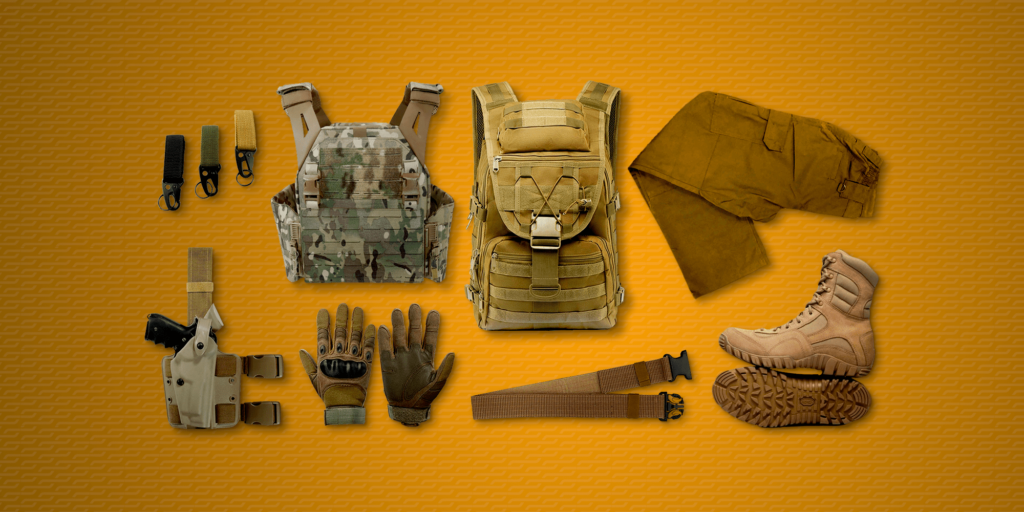
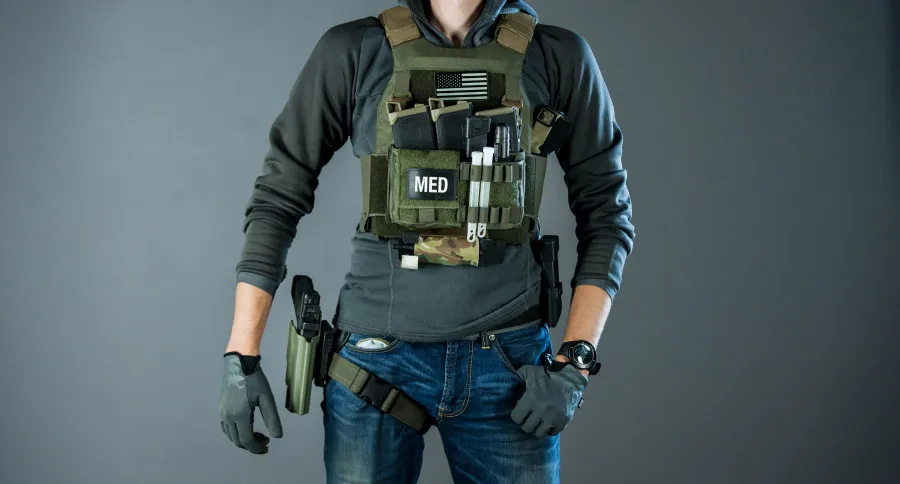
Another important lesson is adaptability. A modern soldier may need body armour, ammunition, medical equipment, communications, hydration, navigation and other mission-specific equipment, but carrying everything at once creates its own problems.
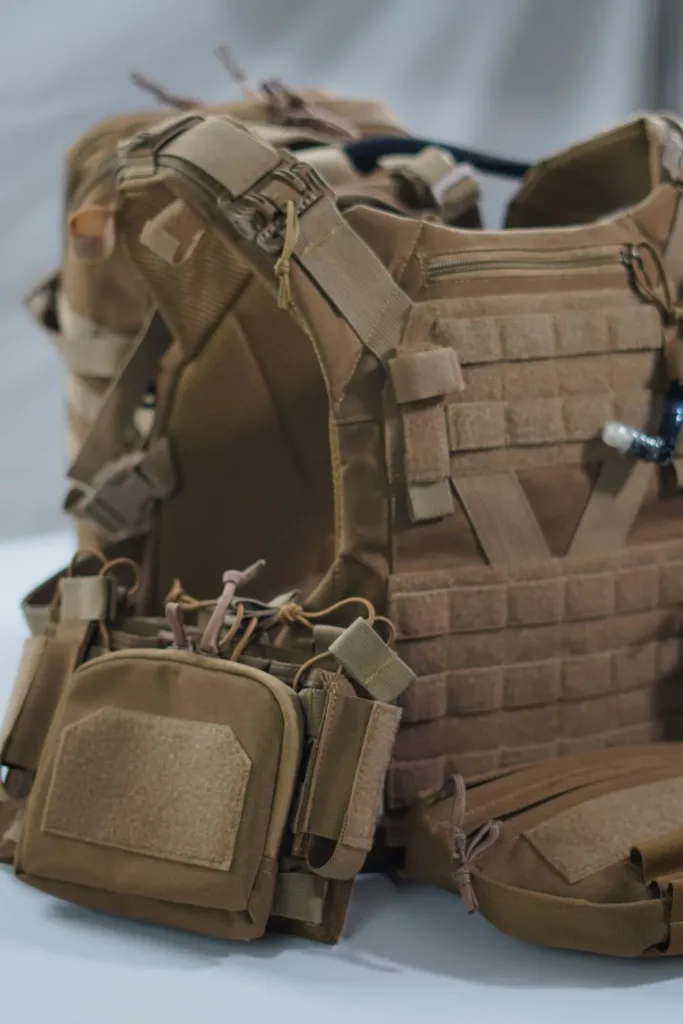
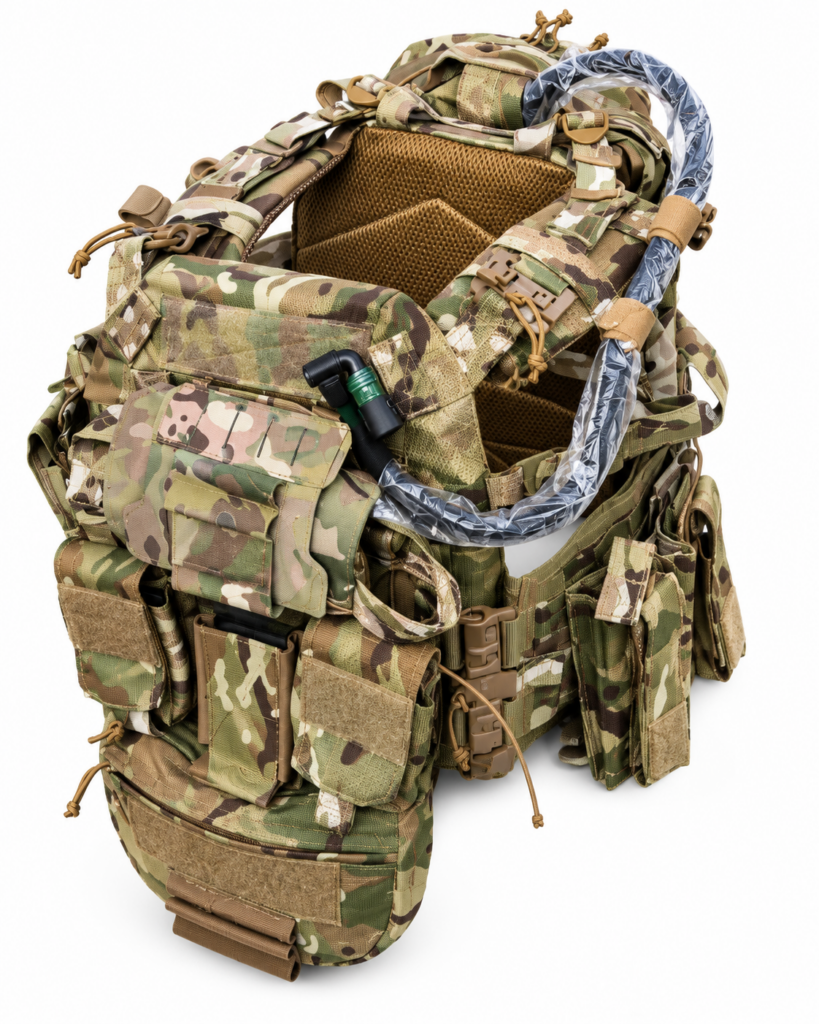
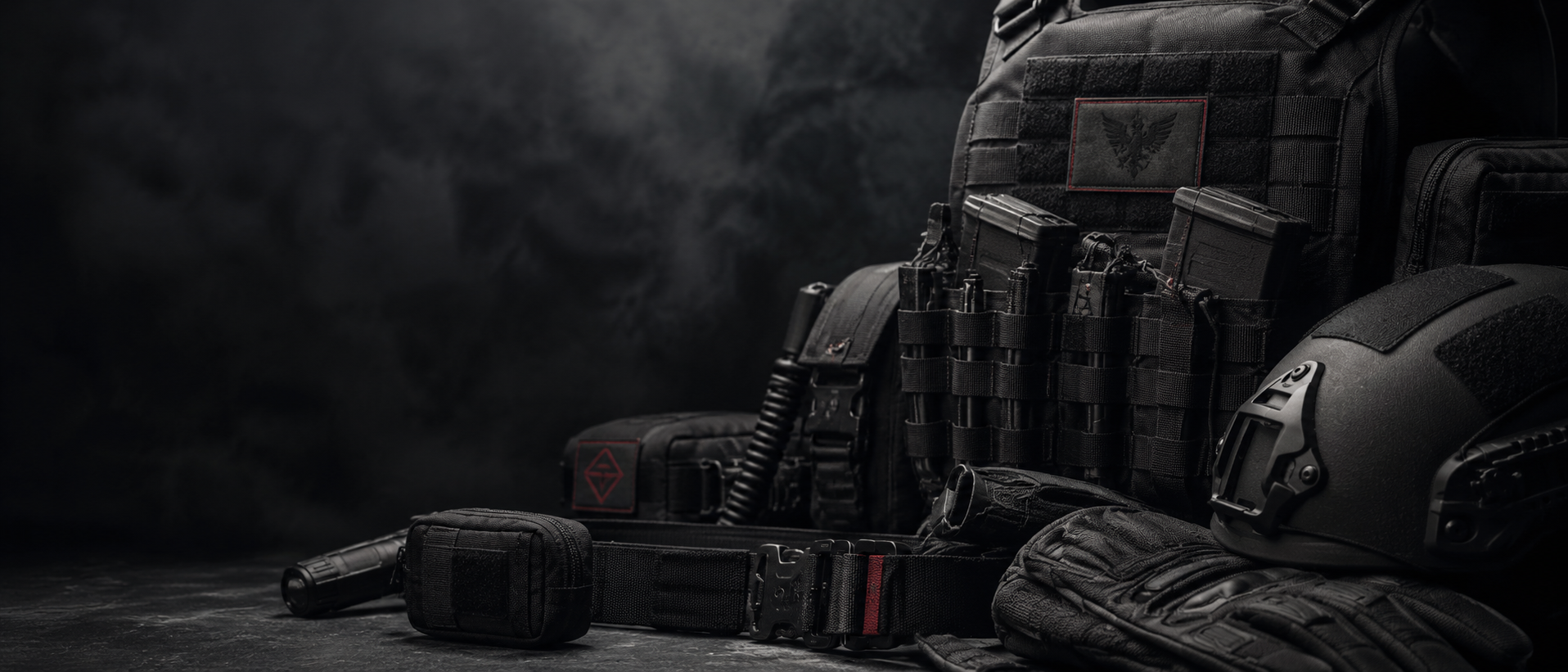
This is why modular equipment is becoming increasingly important. Plate carriers, war belts, packs and pouches should allow equipment to be configured according to the mission rather than forcing every soldier into the same setup.
More Equipment Doesn’t Always Mean Better Equipment
Technology continues to add capability, but also weight and complexity. The challenge for modern equipment designers is therefore not simply to add more features. It is to achieve the right balance between protection, mobility, accessibility, weight and integration.
The Battlefield Will Keep Changing
Perhaps the biggest lesson from Ukraine is that equipment development can never stand still. Drones, electronic warfare, sensors and countermeasures are evolving rapidly, forcing both sides to continually adapt. RUSI’s field research has repeatedly highlighted this cycle of technological and tactical adaptation.
For RAAD Tactical, this reinforces a principle we strongly believe in: tactical equipment should not be designed as isolated products. It should be developed as an adaptable system that can evolve with the mission, the user and the battlefield.
RAAD Tactical | Built as a System. Made for the Field.