Blog
From Plate Carrier to Complete Combat System: The Future of Tactical Equipment

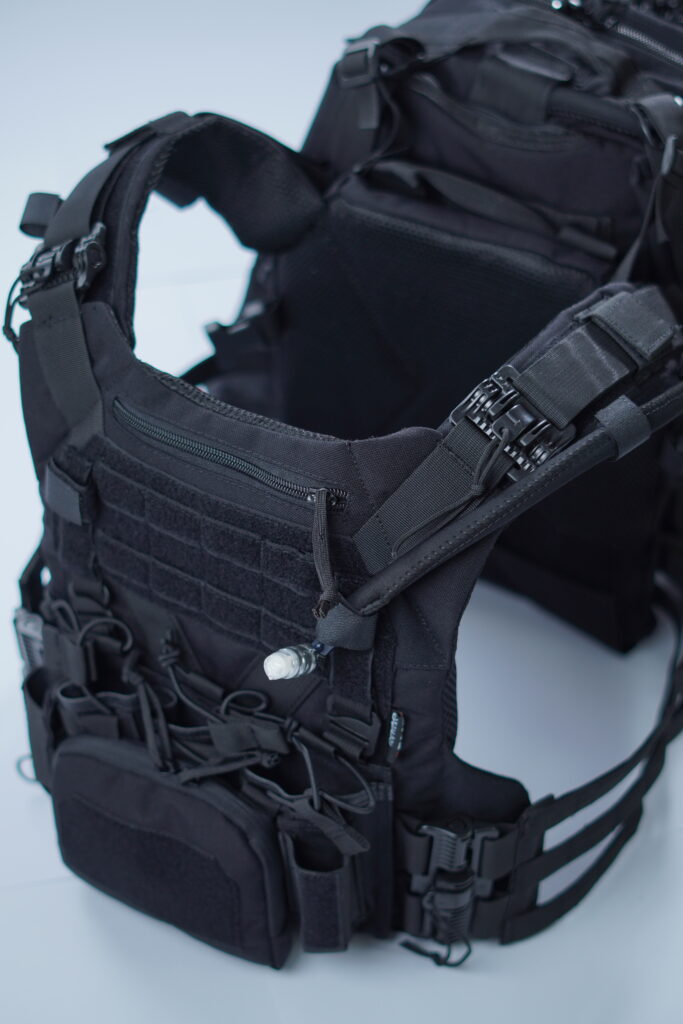
From Plate Carrier to Complete Combat System: The Future of Tactical Equipment
Modern tactical equipment is no longer about simply wearing a plate carrier, adding a few pouches and carrying the rest of the equipment wherever space is available. As operational requirements evolve, the way tactical equipment is designed must evolve with them.
At RAAD Tactical, we believe the future of tactical equipment lies in one simple principle:
Equipment should work as a system.
The Problem With Equipment Designed Separately
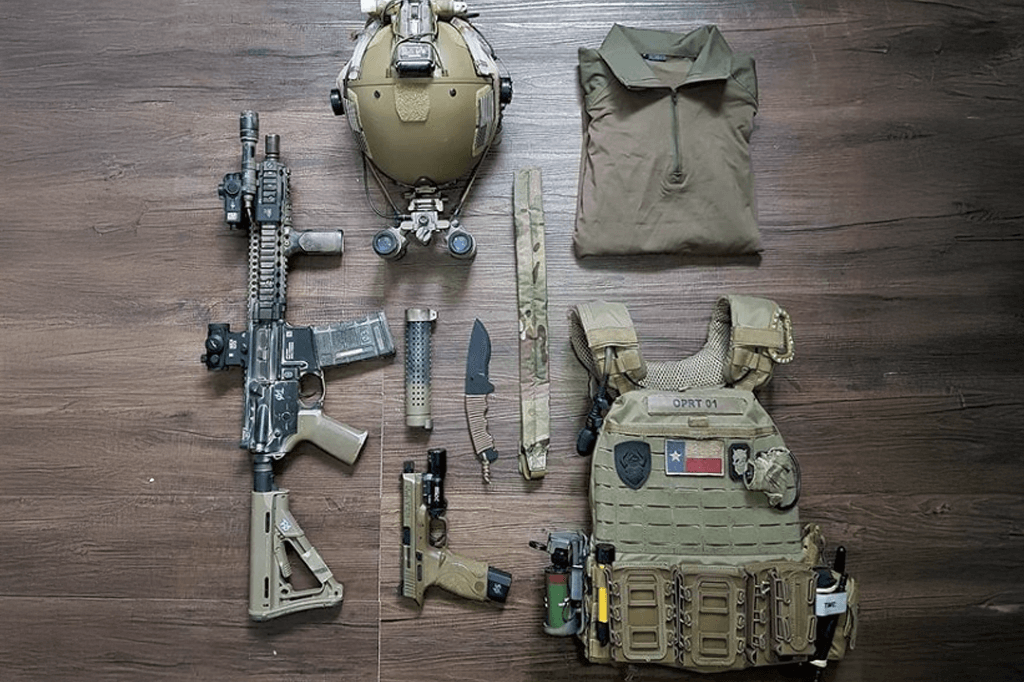
A soldier or law-enforcement operator may carry a plate carrier, magazines, medical equipment, hydration, communications equipment, navigation tools, a war belt and other mission-essential items.
Each piece may perform well individually, but that does not necessarily mean they will perform well together.
Poor integration can create unnecessary bulk, interfere with movement, make important equipment difficult to access and place weight in the wrong areas of the body.
Modern tactical equipment therefore needs to be considered as an interconnected system rather than a collection of independent products.
The Plate Carrier as the Foundation
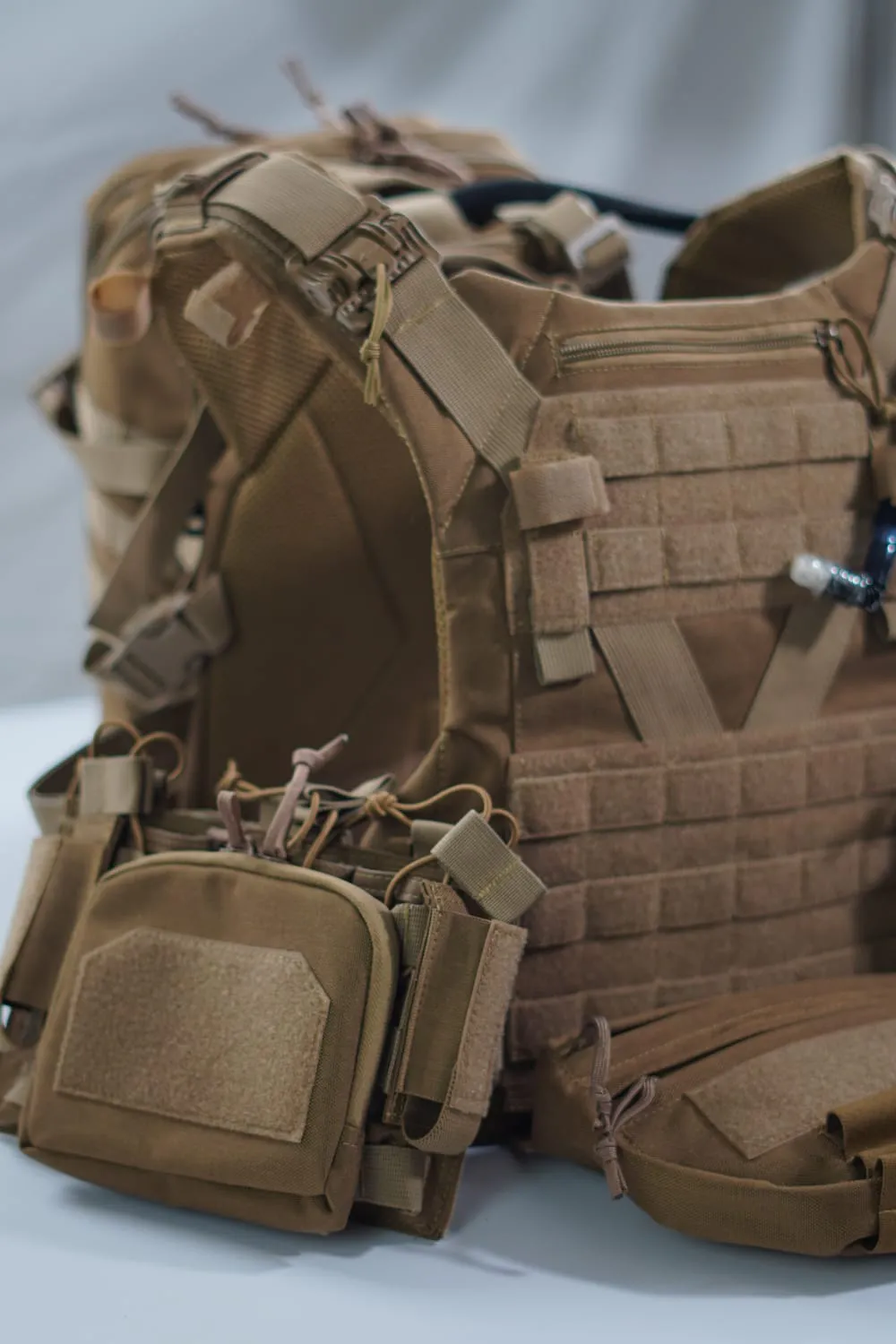
The plate carrier has increasingly become the foundation around which the rest of an operator’s equipment is configured.
A modern plate carrier should provide protection while also allowing the operator to configure equipment according to the mission.
This is why modularity has become such an important part of modern tactical design.
Magazine placards should be replaceable. Pouches should be repositionable. Hydration and backpacks should integrate properly with the carrier. Navigation equipment should remain accessible. Medical equipment should be positioned where it can be reached quickly.
Most importantly, the operator should not have to completely change his equipment simply because the mission changes.
The BATUR EDPC Philosophy
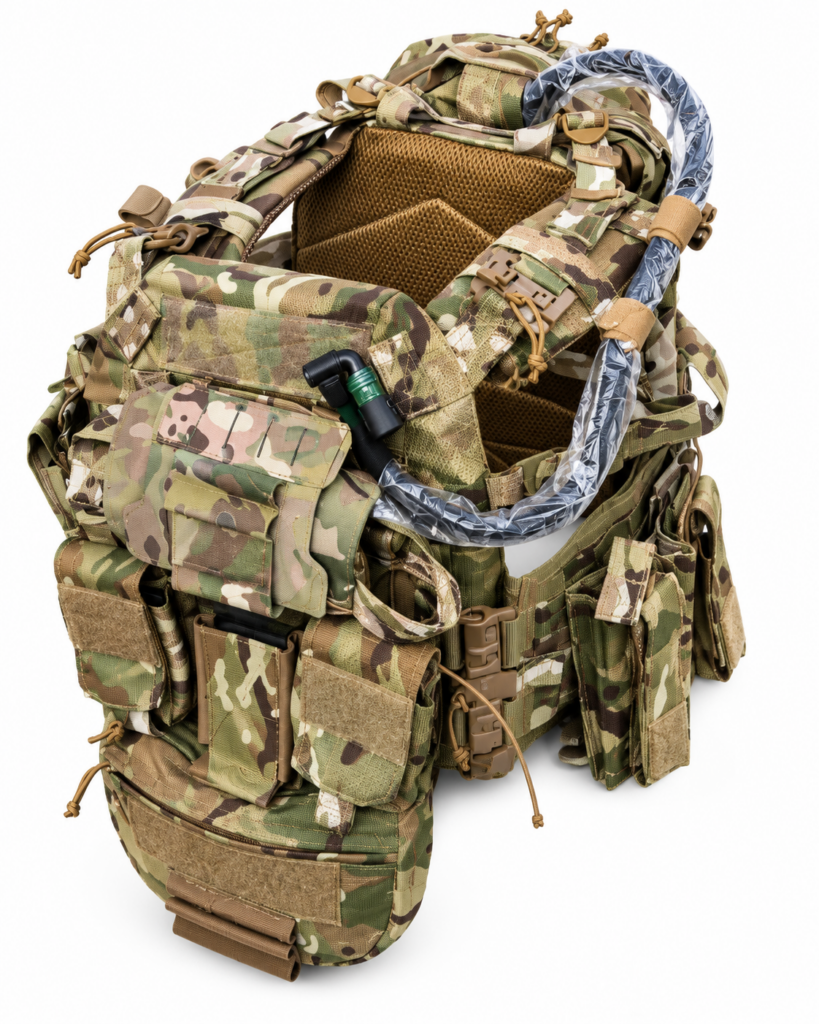
RAAD Tactical developed the BATUR EDPC (Enhanced Dynamic Plate Carrier) series around this modular philosophy.
Rather than treating the plate carrier as an isolated vest, EDPC was developed as a platform that can be configured around different operational requirements.
Depending on configuration, the system can integrate features such as:
- Modular magazine placards
- MOLLE-compatible equipment
- Quick-release shoulder and waist systems
- Side plate compatibility
- Detachable assault/back panels
- Hydration integration
- Pelvic and utility pouches
- Navigation-board integration
- Mission-specific pouch configurations
The objective is not to attach as much equipment as possible.
The objective is to carry the right equipment, in the right position, for the right mission.
Modularity Does Not Mean More Equipment
This distinction is important.
A modular tactical system should not encourage an operator to overload himself.
True modularity means having the ability to remove what is unnecessary and add what the mission actually requires.
A configuration intended for a conventional infantry role may be very different from one intended for close protection, special operations, vehicle crews or other specialized duties.
The platform can remain the same while its configuration changes.
That is where modular design becomes valuable.
Integration Beyond the Plate Carrier
A complete combat system also extends beyond the carrier itself.
The war belt should complement the carrier rather than interfere with it. A backpack should integrate without unnecessarily restricting movement. Hydration should remain accessible without creating excessive bulk.
Medical equipment, magazines and other frequently accessed items must be positioned according to operational priority.
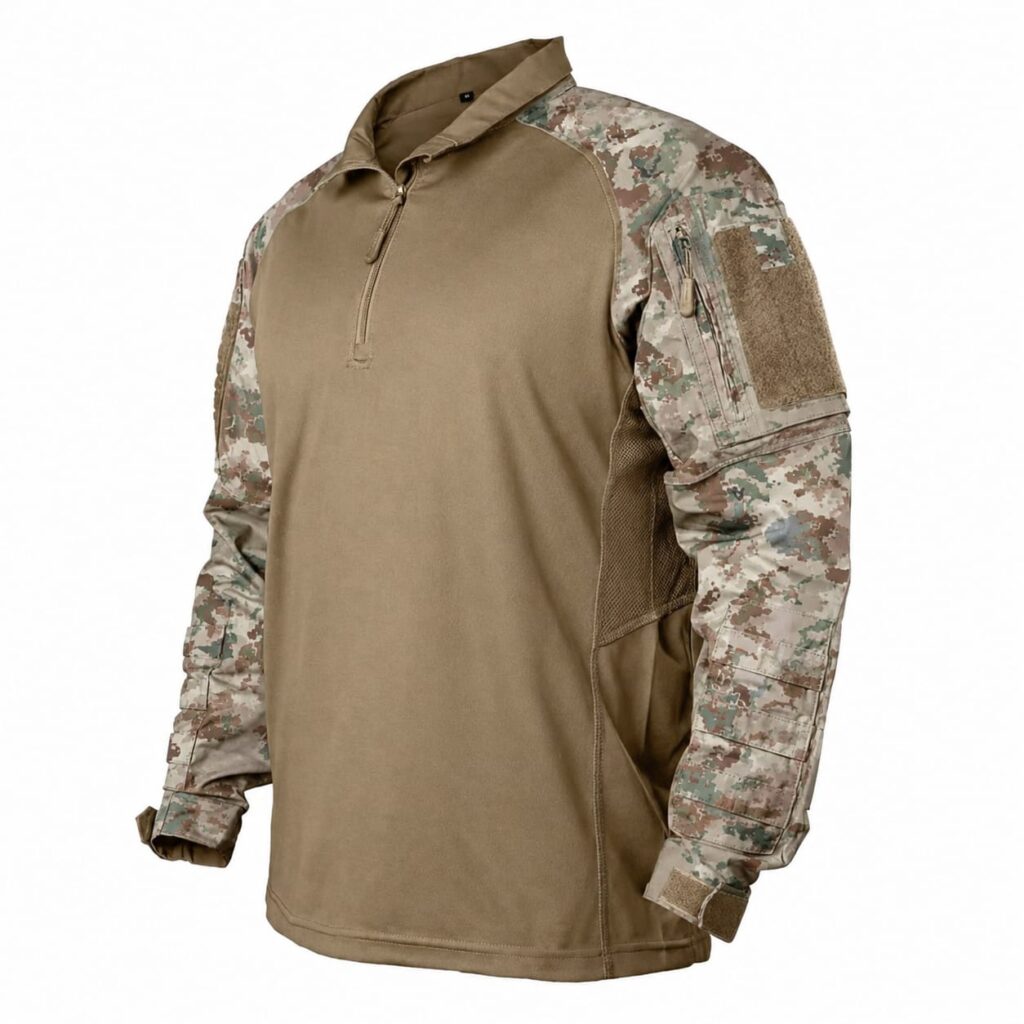
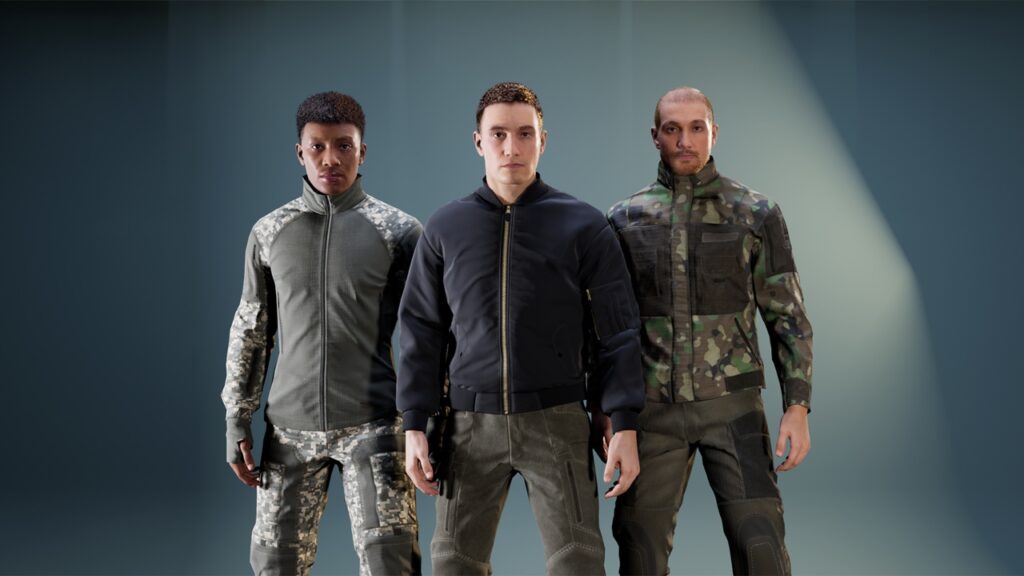
Even tactical clothing plays a role. Combat shirts, trousers and protective equipment should work with load-bearing equipment rather than creating unnecessary pressure points, heat retention or restrictions in movement.
Every component affects another.
That is why tactical equipment development increasingly requires a system-level approach.
Mission-Specific Configuration
There is no single tactical configuration suitable for every operator.
An infantry soldier may prioritize ammunition and endurance.
A special operations user may require a lighter and more adaptable configuration.
A law-enforcement tactical unit may need equipment optimized for shorter-duration operations in urban environments.
Vehicle and aviation crews face entirely different challenges because equipment must remain accessible within confined spaces.
The solution is not necessarily a different plate carrier for every role.
A better approach is often to develop a modular platform capable of being configured around the requirements of each mission.
Designed Around the User
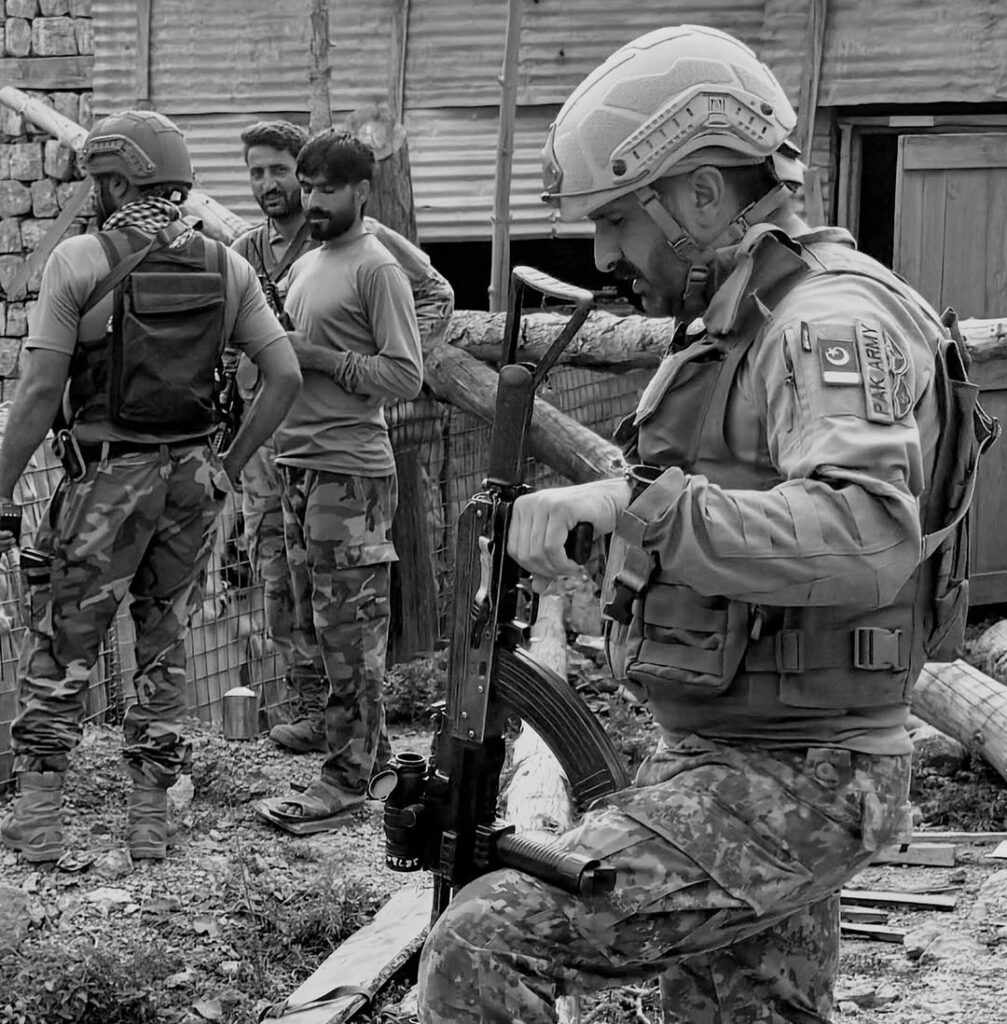
One of the most valuable sources of information in tactical equipment development is the person who actually uses the equipment.
Field feedback can identify problems that are difficult to discover during the initial design process.
A pouch may need to move several centimeters. A buckle may interfere with another piece of equipment. A backpack may require a different attachment method. A particular configuration may work perfectly while standing but become uncomfortable inside a vehicle.
These details matter.
For this reason, RAAD Tactical’s development philosophy continues to focus on design, testing, field feedback and improvement.
A tactical product should never be considered successful simply because it looks good.
It must work where it matters: in the field.
Pakistan’s Growing Tactical Manufacturing Capability
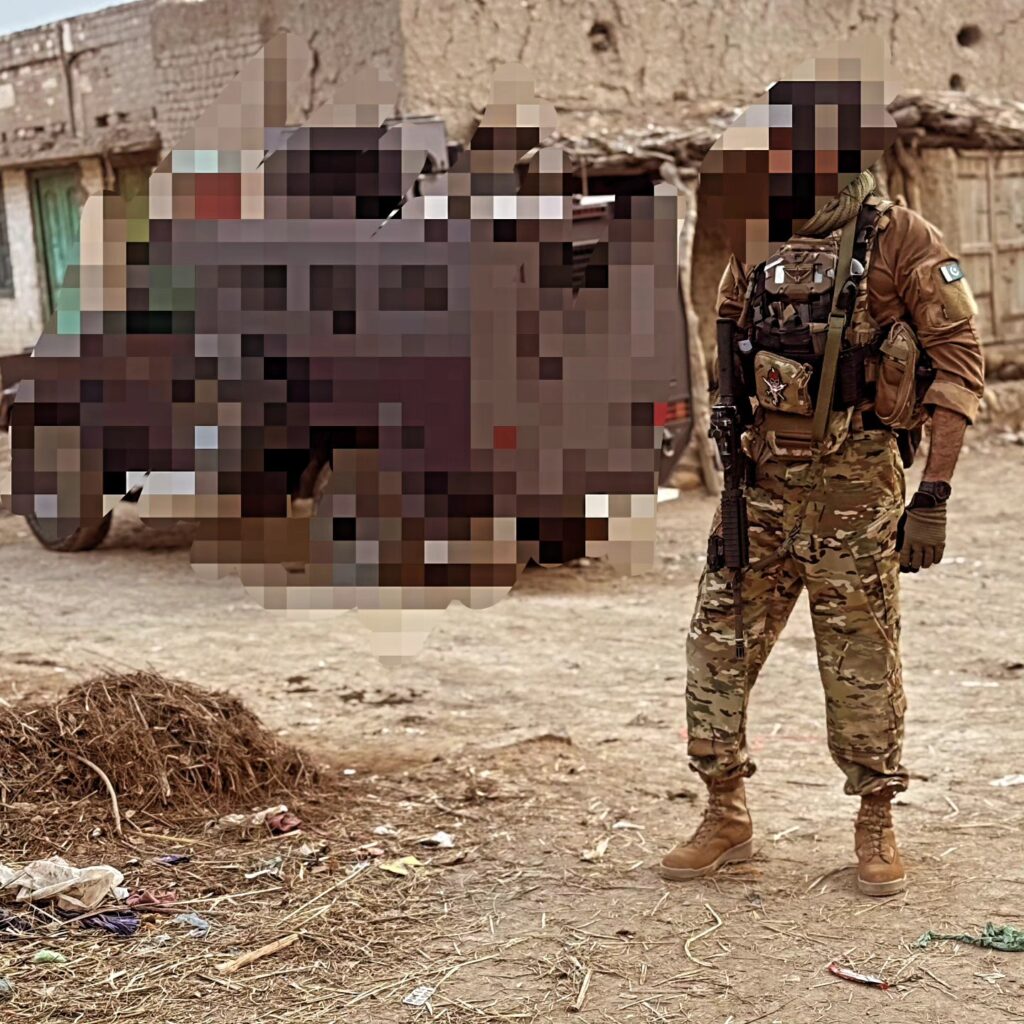
Pakistan has extensive operational experience across different terrains and security environments. This creates an important opportunity for the country’s tactical-equipment industry.
Instead of depending entirely on equipment designed around the requirements of other countries, Pakistani manufacturers can increasingly develop systems around the requirements of our own Armed Forces and security agencies while also producing solutions suitable for international users.
RAAD Tactical is proud to be part of that development.
Our objective is not simply to manufacture individual tactical products. It is to continue developing integrated, modular and mission-focused equipment systems that can evolve alongside the requirements of the people who use them.
The Future Is Integration
The future of tactical equipment will not necessarily be defined by how much equipment an operator can carry.
It will be defined by how intelligently that equipment works together.
Protection, ammunition, medical equipment, hydration, communications, navigation and load carriage should form parts of one coordinated system.
That philosophy continues to guide the development of RAAD Tactical products and the evolution of the BATUR EDPC platform.
Less unnecessary equipment. Better integration. Greater modularity. Mission-focused configuration.
RAAD Tactical
Built as a System. Designed for the Field.